
 EN
EN



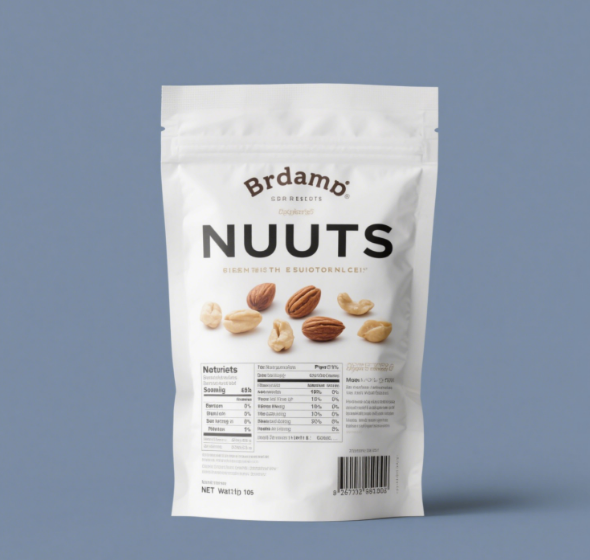
The packaging industry is undergoing a profound transformation, and at the center of this shift is the growing demand for sustainable, functional, and food-safe solutions. A compostable stand up pouch has emerged as one of the most compelling answers to the question of how brands can package products like nuts and coffee without compromising on environmental responsibility or product integrity. As consumers become increasingly eco-conscious and regulatory pressure mounts across global markets, choosing the right packaging format is no longer just a logistical decision — it is a strategic and ethical one.
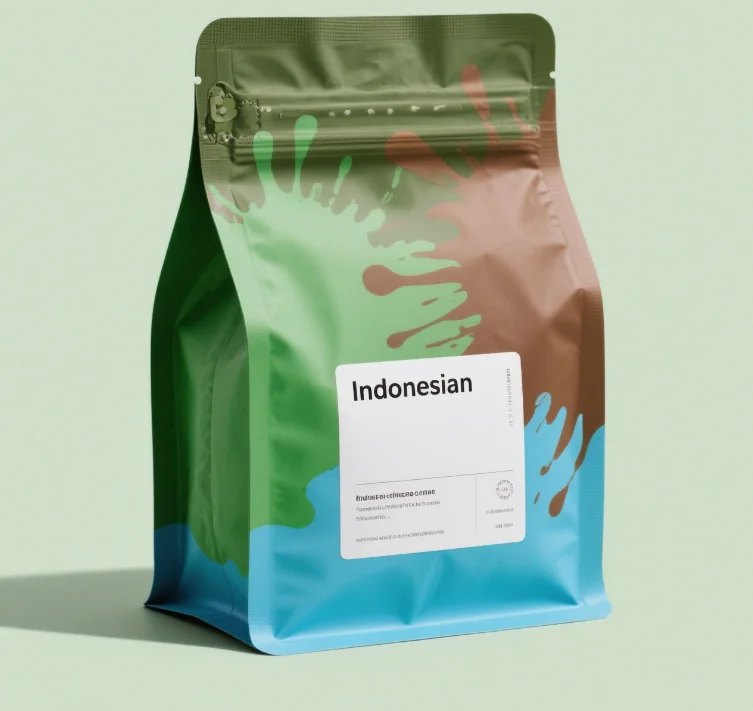
A food grade compostable stand up pouch specifically designed for nut and coffee packaging brings together a unique combination of structural performance, barrier protection, and end-of-life sustainability. Unlike conventional plastic pouches that persist in landfills for centuries, these eco-friendly pouches are engineered to break down in industrial or home composting conditions, returning to the earth without leaving toxic residue. This article explores the material science, functional design, food safety standards, and commercial advantages that make the compostable stand up pouch an ideal packaging format for premium nut and coffee brands.
What Makes a Compostable Stand Up Pouch Truly Food Grade
Material Composition and Safety Standards
Not every eco-friendly pouch qualifies as food grade. A genuine food grade compostable stand up pouch must be manufactured using materials that are certified safe for direct contact with consumable goods. The most common materials used include PLA (polylactic acid) derived from corn starch, PBAT (polybutylene adipate terephthalate), and kraft paper laminates that have been verified for food contact applications. These materials must meet rigorous international certifications such as EN 13432 in Europe, ASTM D6400 in the United States, and AS 4736 in Australia.
Food safety goes beyond just material sourcing. The inks, adhesives, and coatings used in printing and lamination must also be non-toxic and migration-tested to ensure that no harmful substances transfer to the food content inside. For coffee and nuts — both of which are oil-rich and aromatic — the inner layer of the compostable stand up pouch must be specifically formulated to resist fat migration while preserving flavor and freshness. This is a critical performance requirement that separates a true food grade product from a generic biodegradable packaging solution.
Brands sourcing a compostable stand up pouch for their nut or coffee products should always request material data sheets and third-party certification documents. This due diligence ensures that the packaging meets both the sustainability promise made to consumers and the legal compliance obligations imposed by food safety regulators in target markets.
Differentiating Compostable from Biodegradable
One of the most common points of confusion in sustainable packaging is the difference between compostable and biodegradable. A compostable stand up pouch is specifically designed to fully break down into non-toxic biomass within a defined timeframe under composting conditions — typically 90 to 180 days in an industrial composting facility. Biodegradable packaging, by contrast, may break down over a much longer period and may leave behind microplastics or other residue that is harmful to soil and waterways.
This distinction matters enormously for brands positioning themselves in the premium or health-conscious market segments. Customers who purchase organic nuts or specialty single-origin coffee are particularly attuned to environmental claims and can readily identify greenwashing. A certified compostable stand up pouch provides verifiable, third-party-backed evidence of genuine sustainability rather than a vague environmental claim. The certification logos on the packaging itself become a powerful trust signal and purchasing motivator at the point of sale.
Structural Design Advantages for Nut and Coffee Packaging
The Stand Up Format and Its Practical Benefits
The stand up pouch format has become the dominant flexible packaging structure across the food industry for good reason. Its gusseted base allows the pouch to stand upright on retail shelves without any secondary display fixtures, maximizing shelf presence and brand visibility. For nut and coffee brands, where shelf differentiation is intensely competitive, the structural advantage of a compostable stand up pouch is immediately commercially relevant. The upright stance allows for a large printable front panel that effectively communicates brand identity, product origin, roast profile, or flavor notes.
Beyond aesthetics, the stand up design also provides excellent volume efficiency. A single compostable stand up pouch can hold anywhere from 50 grams to over 1 kilogram of product depending on the size specification, making it suitable for a wide range of SKU sizes across both retail and foodservice channels. The square bottom variant offers even greater stability and a more premium, box-like profile that reinforces high-end positioning — a valuable attribute for specialty coffee roasters and artisan nut brands.
Zipper Closure and Resealability for Freshness Retention
A key functional requirement for nut and coffee packaging is the ability to reseal the package after the initial opening. Nuts are highly susceptible to rancidity when exposed to oxygen, while ground coffee loses its aromatic complexity rapidly once the seal is broken. The integration of a zipper closure in a compostable stand up pouch directly addresses this product protection need while maintaining the package's eco-friendly profile.
Compostable zippers are typically made from the same PLA or starch-based materials as the pouch body, ensuring that the entire package — including the closure mechanism — remains fully compostable. This is an important detail because a mixed-material package (for example, a biodegradable body with a conventional plastic zipper) may not be accepted at composting facilities and undermines the overall sustainability claim. A well-engineered compostable stand up pouch should be a unified, mono-stream compostable unit from every material component.
The resealable zipper also reduces food waste, which is itself a sustainability benefit. Consumers who can easily reseal their nut or coffee pouch are less likely to transfer the product into secondary containers, which may introduce contamination risk or result in partial product waste. The design logic of a compostable stand up pouch with an integrated zipper thus serves both the consumer experience and the sustainability mission simultaneously.
Barrier Performance and Product Protection for Coffee and Nuts
Oxygen and Moisture Barriers in Compostable Structures
One of the most technically demanding requirements for any coffee or nut packaging is the barrier performance of the film structure. Both product categories require strong oxygen and moisture barriers to maintain freshness, prevent oxidation, and extend shelf life. Historically, this requirement has been one of the primary reasons why conventional plastic laminates have dominated the market — they offer excellent barrier properties at low cost. However, advances in compostable film technology have significantly closed the performance gap.
Modern compostable stand up pouch structures can incorporate thin-film coatings of silicon oxide (SiOx) or aluminum oxide (AlOx) applied to the PLA substrate. These inorganic coatings provide oxygen transmission rates (OTR) and water vapor transmission rates (WVTR) that are competitive with conventional plastic laminates while remaining fully compostable in certified industrial conditions. For coffee packaging specifically, the film structure may also incorporate a one-way degassing valve, which allows CO2 released by freshly roasted beans to escape without allowing oxygen to enter — a feature fully compatible with the compostable stand up pouch format.
For nut packaging, the key barrier requirement is resistance to grease migration and oxidative rancidity. The inner layer of the compostable stand up pouch must be oil-resistant without relying on fluoropolymer coatings or other PFAS-based treatments that are increasingly regulated in food contact applications. Bio-based barrier coatings derived from cellulose, shellac, or plant-based waxes are emerging as compliant and effective alternatives that support both the food safety and composability requirements of the package.
Aroma Retention and Light Protection
Coffee is particularly sensitive to light exposure, which accelerates the degradation of aromatic compounds and volatile flavor molecules. A compostable stand up pouch intended for coffee should ideally include either an opaque outer layer or a metallized interior coating that blocks UV and visible light. While traditional aluminum foil provides excellent light barrier properties, it is incompatible with composting and must be replaced with metalized PLA or bio-based alternatives in a compostable structure.
The choice of film opacity also has brand implications. A fully opaque compostable stand up pouch offers maximum light protection and allows for bold, high-contrast printing that can elevate the visual identity of premium coffee and nut brands. Alternatively, partially transparent windows created using certified compostable films allow consumers to see the product inside, which can be a strong purchasing trigger for premium nut mixes or visually distinctive coffee blends. Both design approaches are achievable within the compostable stand up pouch format, giving brands significant creative flexibility.
Customization and Branding Potential of Compostable Stand Up Pouches
Print Quality and Brand Expression
A common misconception is that compostable packaging limits printing quality or design flexibility. In reality, modern digital and gravure printing technologies can achieve vibrant, photographic-quality results on compostable stand up pouch substrates, including kraft paper laminates, PLA films, and hybrid bio-based structures. Water-based and UV-cured inks that are compostability-certified are widely available and produce color gamuts that rival or exceed conventional plastic printing.
For nut and coffee brands, print quality is directly tied to brand premium perception. A beautifully printed compostable stand up pouch communicates attention to detail, craftsmanship, and a coherent brand philosophy that aligns packaging material choices with product positioning. Brands that source premium single-origin coffee or ethically grown nuts can reinforce that narrative through the packaging itself — using the natural kraft texture as a design element or incorporating earthy color palettes that echo the organic and sustainable values of the product.
Size, Shape, and Format Customization
The compostable stand up pouch is available in a wide range of sizes, enabling brands to build a complete product line from single-serve trial packets to large bulk retail pouches without switching packaging formats. The gusset width, fill height, and zipper position can all be customized to match specific product volume requirements and filling line specifications. Square bottom variants with additional side gussets offer increased shelf footprint and a more architectural package shape that performs particularly well in premium retail environments.
Customization also extends to functional features such as tear notches for easy opening, hang holes for peg display, and spot matte or gloss varnishes for tactile surface effects. Each of these features can be incorporated into a compostable stand up pouch without compromising its compostability certification, provided the materials used for each component are individually verified and approved. Working closely with an experienced flexible packaging manufacturer is the most effective way to ensure that all customization choices remain within the bounds of certified compostable structures.
Commercial and Regulatory Context for Eco Packaging Adoption
Market Demand and Consumer Behavior Shifts
Consumer demand for sustainable packaging has moved well beyond a niche preference and is now a mainstream purchasing criterion across major food categories. Research consistently shows that a significant proportion of grocery shoppers actively seek out products packaged in eco-friendly materials and are willing to pay a modest premium for packaging they perceive as environmentally responsible. For nut and coffee brands, where the customer demographic tends to skew toward health-conscious, educated, and environmentally aware consumers, the adoption of a compostable stand up pouch can be a measurable differentiator that drives trial and loyalty.
Retailers themselves are increasingly setting packaging sustainability requirements for their supplier base. Many major grocery chains have published packaging sustainability targets that include minimum thresholds for compostable, recyclable, or recycled-content packaging. Brands that proactively adopt a compostable stand up pouch format position themselves advantageously for listing reviews, promotional support, and co-marketing opportunities with retailers who are actively seeking sustainable product partners.
Regulatory Trends Supporting Compostable Packaging
Regulatory developments around the world are accelerating the shift toward compostable and certified sustainable packaging. The European Union's Single Use Plastics Directive, extended producer responsibility (EPR) frameworks, and forthcoming ecodesign regulations are creating direct financial and compliance incentives for brands to reduce their reliance on conventional plastic packaging. In this regulatory context, a compostable stand up pouch represents not just a consumer-facing sustainability statement but a proactive compliance investment that reduces future regulatory risk.
In the United States, state-level regulations in California, Oregon, and other progressive states are expanding definitions of acceptable packaging and introducing labeling requirements that penalize misleading environmental claims. A compostable stand up pouch that carries internationally recognized certifications provides brands with a defensible, legally compliant basis for their packaging sustainability claims — an important consideration as enforcement of environmental marketing standards intensifies across all major markets.
FAQ
Is a compostable stand up pouch suitable for long shelf life coffee products?
Yes, a compostable stand up pouch can be engineered with barrier coatings and degassing valves that support shelf lives of 12 to 18 months for roasted coffee, depending on the specific film structure and storage conditions. Brands should work with their packaging supplier to specify OTR and WVTR values that match their product's shelf life requirements.
Can a compostable stand up pouch be home composted or does it require industrial composting?
Most compostable stand up pouch structures are certified for industrial composting, which operates at higher temperatures and moisture levels than home composting. Some kraft paper-based variants with simpler barrier structures may be suitable for home composting, but this should always be verified against the specific certification the pouch carries, such as TÜV OK compost HOME certification.
How does the cost of a compostable stand up pouch compare to conventional plastic pouches?
A compostable stand up pouch typically carries a cost premium of 20 to 50 percent over comparable conventional plastic pouches, depending on film complexity, barrier requirements, and order volume. However, this cost gap is narrowing as bio-based material supply chains scale up, and many brands find that the premium is recoverable through higher retail pricing and stronger consumer brand preference.
What certifications should I look for when sourcing a compostable stand up pouch for food products?
The most widely recognized certifications to look for include EN 13432 or DIN CERTCO for European markets, ASTM D6400 or BPI certification for the United States, and AS 4736 for Australia. For food safety, the materials should also comply with FDA regulations or EU Regulation 10/2011 on plastic materials intended for food contact, depending on the target market.
Table of Contents
- What Makes a Compostable Stand Up Pouch Truly Food Grade
- Structural Design Advantages for Nut and Coffee Packaging
- Barrier Performance and Product Protection for Coffee and Nuts
- Customization and Branding Potential of Compostable Stand Up Pouches
- Commercial and Regulatory Context for Eco Packaging Adoption
-
FAQ
- Is a compostable stand up pouch suitable for long shelf life coffee products?
- Can a compostable stand up pouch be home composted or does it require industrial composting?
- How does the cost of a compostable stand up pouch compare to conventional plastic pouches?
- What certifications should I look for when sourcing a compostable stand up pouch for food products?