
 EN
EN



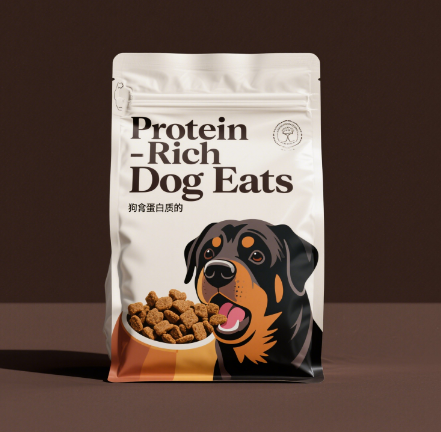
The global pet food industry has experienced remarkable growth over the past decade, and with it comes an increasingly complex challenge: getting products safely and efficiently across international borders. Pet food packaging is no longer just about preserving freshness on a local shelf. It must now withstand the rigors of long-haul freight, variable climate conditions, customs inspections, and the expectations of consumers in dozens of different markets. For manufacturers and distributors operating in the international arena, packaging has become a strategic asset rather than a simple container.
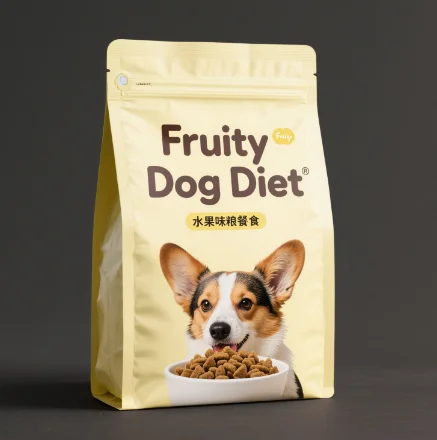
Understanding how pet food packaging adapts to international shipping demands requires looking at the full journey a product takes from production floor to overseas retailer. Every stage introduces new stressors—temperature swings in shipping containers, humidity during port storage, compression under stacked pallets, and regulatory checkpoints that differ by destination country. The solutions emerging in today's industry reflect a sophisticated response to all these variables, combining advanced materials science, structural engineering, and compliance intelligence into a single bag or container format.
The Core Challenges Driving Packaging Innovation for International Shipment
Physical Stress and Structural Integrity During Transit
International shipping exposes pet food packaging to a range of physical stressors that domestic distribution rarely encounters at the same intensity. Bags and containers travel thousands of miles in ocean freight containers, endure loading and unloading cycles at multiple ports, and are subjected to stacking pressure that can reach hundreds of kilograms. A standard domestic bag construction is frequently inadequate for these demands, which is why international-grade packaging typically incorporates multilayer laminate structures engineered specifically for compressive and tensile strength.
The shift toward larger format bags—5kg, 10kg, 20kg, and even 30lb and 50lb configurations—has amplified structural requirements considerably. Heavier bags introduce greater stress on seams, handles, and base gussets. Modern pet food packaging designs address this by reinforcing critical stress points with thicker laminate layers and by employing heat-seal technologies that create bonds capable of maintaining integrity even under sustained mechanical load. The base gusset, in particular, has evolved from a simple fold to a structurally engineered element that distributes weight load across a wider footprint, reducing the risk of seam failure during stacking in transit containers.
Puncture resistance is another critical dimension. Shipping environments introduce sharp objects—pallet corners, strapping materials, forklift tines—that can compromise pet food packaging and lead to product contamination or spoilage. Advanced laminate combinations using nylon and polyethylene layers have demonstrated significantly improved puncture resistance in standardized testing, making them a preferred choice for brands shipping into markets with less predictable warehouse and logistics infrastructure.
Climate and Environmental Variability Across Shipping Routes
One of the most underestimated challenges in international shipping is the extreme environmental variability that pet food packaging must endure along transcontinental routes. A shipment from a temperate manufacturing region to Southeast Asia or the Middle East may pass through multiple climate zones, with container temperatures ranging from near-freezing overnight to well above 40 degrees Celsius during port layovers in tropical regions. This thermal cycling creates expansion and contraction stresses that can compromise seal integrity and accelerate moisture migration through suboptimal barrier films.
Moisture barrier performance is therefore a primary specification criterion for internationally exported pet food packaging. High-barrier laminate structures incorporating aluminum foil, metallized PET, or specialized EVOH layers provide substantial protection against moisture ingress, which is particularly critical for dry kibble products. Moisture penetration not only degrades palatability and nutrient profile but also creates conditions favorable to mold growth, which can trigger product recalls and import rejection at destination ports. Investing in appropriate barrier specifications is not an optional upgrade—it is a fundamental requirement for international market participation.
UV exposure during outdoor port storage is an additional environmental factor that international-grade pet food packaging must account for. Prolonged UV radiation can degrade polymer films and fade printed graphics, reducing shelf appeal at the point of sale. Incorporating UV-stabilized outer layers or ensuring that primary packaging is designed to be shielded by secondary and tertiary packaging during outdoor handling are both valid mitigation strategies being adopted by forward-thinking manufacturers.
Regulatory Compliance as a Packaging Design Parameter
Labeling Requirements Across Destination Markets
International regulatory compliance has become one of the most complex drivers reshaping pet food packaging design. Different countries impose distinct requirements for ingredient labeling, nutritional information panels, net weight declarations, and language specifications. The European Union, for example, mandates specific allergen declarations and uses different unit systems than North American markets. Markets in Asia-Pacific frequently require local language translations on primary packaging, sometimes mandated in specific fonts and minimum point sizes. A packaging design that is compliant in one country may require significant modification to pass import inspection in another.
Flexible pet food packaging formats have proven highly adaptable to this regulatory diversity. Unlike rigid containers, flexible bags can accommodate multi-panel designs that allocate dedicated label zones for different market requirements. A base structure designed for a core market can incorporate blank panels or overlay label areas for destination-specific compliance text, reducing the need to maintain entirely separate SKUs for each export market. This approach significantly reduces inventory complexity and minimum order quantity pressures while still meeting diverse regulatory demands.
Some importing countries also impose specific restrictions on packaging materials themselves. Certain plastic additives, colorants, and adhesives that are permitted in one jurisdiction may be restricted or prohibited in another. Brands managing international pet food packaging programs must maintain detailed documentation of all raw materials and their compliance status across target market regulations. This documentation is increasingly requested by customs authorities and major retail buyers as part of market entry due diligence.
Food Safety Standards and Import Inspection Protocols
Food safety standards governing pet food packaging materials vary considerably across international markets, and non-compliance can result in shipment seizure, market withdrawal, or brand damage. The materials that constitute a packaging structure—adhesives, inks, laminate films, and coatings—must meet the food contact material regulations of the destination country, not just the country of manufacture. This creates a layered compliance challenge that requires coordination between packaging suppliers, brand owners, and trade compliance specialists.
Many international retailers and distributors now require formal food contact compliance certification for all pet food packaging before authorizing product listings. Documents such as migration test reports, raw material declarations, and regulatory compliance statements have become standard components of packaging qualification packages for export programs. Brands that build compliance documentation into their packaging development process from the outset are better positioned to respond efficiently to these requirements and reduce time-to-market in new geographies.
Import inspection at destination ports adds another layer of practical concern. Packaging that shows visible damage, deformation, or seal failure at inspection may trigger hold orders or rejection, even if the product itself is sound. This reinforces the business case for investing in robust pet food packaging structures engineered specifically for the transit stresses of international shipping routes rather than specifying domestic-grade construction for export applications.
Material and Format Innovations Supporting Global Distribution
Multilayer Laminate Structures and Barrier Film Advances
The evolution of multilayer laminate technology has been central to enabling pet food packaging to meet international shipping requirements. Modern flexible packaging laminates are engineered as composite systems where each layer contributes a specific functional property—structural strength, oxygen barrier, moisture barrier, puncture resistance, or printable surface quality. The ability to combine these layers in precise specifications allows packaging engineers to match the performance profile of a bag to the specific requirements of a shipping route, product format, and market destination.
For large-format dry pet food bags—the 5kg, 10kg, and 20kg sizes that dominate international trade—pet food packaging typically employs a combination of woven polypropylene or kraft paper outer layers for structural support, paired with inner laminate films providing the required moisture and oxygen barrier performance. The woven polypropylene construction is particularly valued for international shipping applications because of its exceptional tear resistance and its ability to maintain structural integrity under the sustained compression loading characteristic of palletized ocean freight.
Advances in metallized film technology have also improved the barrier performance of pet food packaging without the weight and cost implications of full foil structures. Metallized PET and metallized OPP films now offer barrier performance approaching that of aluminum foil for many dry product applications, while reducing overall bag weight and simplifying end-of-life recyclability assessments. Weight reduction in individual units has a cumulative logistics cost benefit that becomes significant at the scale of container-load shipments across international routes.
Closure Systems and Resealability for Extended Transit and Retail Life
Closure system design has emerged as a critical differentiator in international-grade pet food packaging. When products spend extended time in transit and distribution before reaching end consumers, maintaining product freshness through the entire retail period becomes more challenging than in domestic channels. Zipper closure systems, press-to-close channels, and tin tie closures all serve the function of preserving product quality after the primary heat seal has been opened by the consumer, but their performance requirements in international contexts are more demanding.
Zipper closures used in international pet food packaging must maintain reliable closure function across a broad temperature range and after exposure to the environmental stresses of shipping and storage. Low-quality zipper profiles can become brittle at low temperatures or deform under sustained pressure, rendering them non-functional before the product reaches the consumer. International-grade specifications therefore call for zipper profiles made from appropriate polymer grades with demonstrable performance across the anticipated temperature range of the shipping and storage environment.
The growing preference for large-format bags in international trade also increases the practical importance of resealability features. Consumers purchasing a 10kg or 20kg bag of pet food will use the product over an extended period, making a reliable reclosure mechanism a meaningful value proposition. Pet food packaging that delivers reliable resealability in the hands of end consumers in distant markets contributes to brand loyalty and repeat purchase behavior—a commercially significant outcome that justifies the marginal investment in quality closure systems.
Sustainability Considerations Within the International Shipping Context
Balancing Protective Performance with Environmental Commitments
Sustainability has become a significant dimension of pet food packaging strategy, including for products destined for international markets. Consumer and regulatory pressure toward more sustainable packaging materials is intensifying across major importing regions, including the European Union, Australia, and key North American markets. However, sustainability commitments must be balanced carefully against the protective performance requirements of international shipping—a packaging structure that degrades prematurely under transit stress is not sustainable in any meaningful sense if it leads to product waste.
The industry response has centered on developing pet food packaging structures that achieve environmental goals without compromising protective performance. Mono-material flexible packaging structures—where all laminate layers are composed of compatible polyolefin materials—are gaining traction because they simplify recycling stream compatibility while still delivering acceptable barrier and structural properties for many shipping scenarios. While mono-material structures may not yet match the barrier performance of complex mixed-material laminates for all product types, ongoing material science advances are progressively narrowing this performance gap.
Recyclability certifications from recognized programs are increasingly required by international retail buyers as a condition of listing, making the selection of certifiable pet food packaging structures a commercial necessity rather than a purely ethical choice. Brands developing packaging programs for international markets should engage with the specific recycling infrastructure and regulatory environment of each target market, as recyclability claims that are valid in one country may not be substantiated in another with different collection and sorting systems.
Lightweighting and Reduced Material Use in Large-Format Bags
Lightweighting is a sustainability and cost-efficiency lever that international pet food exporters are actively pursuing. Reducing the material weight of pet food packaging without compromising protective performance lowers both per-unit production costs and the total logistics cost of a container shipment by improving the ratio of product weight to packaging weight. Even modest reductions in film gauge specifications, where performance data supports the change, can deliver meaningful savings at the volume scales typical of international trade.
Achieving lightweighting goals in pet food packaging for international shipping requires careful engineering validation rather than simple gauge reduction. The structural demands of large-format bags in palletized ocean freight are specific and well-characterized, and gauge reductions must be validated against those demands through physical testing. Premature lightweighting that results in in-transit failures and product damage claims negates the cost and sustainability benefits and creates significant commercial disruption in export markets where re-supply cycles are measured in weeks rather than days.
FAQ
What size formats of pet food packaging are most commonly used for international shipping?
Large-format sizes are dominant in international pet food trade, with 5kg, 10kg, and 20kg flexible bags being the most prevalent formats. In markets using imperial measurements, 30lb and 50lb configurations are widely used. These large-format bags offer favorable product-to-packaging ratios for freight efficiency and are engineered with reinforced seams, base gussets, and high-strength laminate structures specifically to withstand the demands of palletized ocean and air freight over long distances. The choice of format is often influenced by the retail channel and consumer purchasing behavior in the destination market.
How does pet food packaging address temperature variation during international transit?
International-grade pet food packaging addresses thermal variability through the selection of laminate materials and adhesive systems with appropriate performance across the anticipated temperature range. Barrier films, closure systems, and adhesive bonds must all maintain their functional integrity from cold-chain port handling to hot-weather outdoor storage. Packaging engineers specify materials based on the thermal profile of shipping routes and product requirements, and formal testing against temperature cycle protocols is an important part of qualification for international distribution programs.
Are there specific certifications that pet food packaging must carry for export markets?
Requirements vary by destination market but generally include food contact material compliance documentation, migration test reports for packaging materials, and in many cases, recyclability or sustainability certifications required by retail buyers. Markets such as the EU have formal food contact material regulations that must be demonstrably met. Some markets require country-specific registration or approval for packaging materials before import is authorized. Brands should work closely with trade compliance specialists and their packaging suppliers to build and maintain the necessary documentation portfolio for each target export market.
How is pet food packaging evolving to meet sustainability requirements in international markets?
Pet food packaging is evolving toward mono-material flexible structures, reduced-gauge films, and the incorporation of recycled content materials where regulatory and performance requirements permit. Recyclability certifications from market-recognized programs are increasingly becoming a listing prerequisite with international retail buyers. The challenge for international applications is balancing these sustainability improvements against the robust protective performance that long-haul shipping demands. Material science innovation is progressively enabling packaging engineers to close the performance gap between sustainable material options and the conventional mixed-material laminates they are designed to replace.
Table of Contents
- The Core Challenges Driving Packaging Innovation for International Shipment
- Regulatory Compliance as a Packaging Design Parameter
- Material and Format Innovations Supporting Global Distribution
- Sustainability Considerations Within the International Shipping Context
-
FAQ
- What size formats of pet food packaging are most commonly used for international shipping?
- How does pet food packaging address temperature variation during international transit?
- Are there specific certifications that pet food packaging must carry for export markets?
- How is pet food packaging evolving to meet sustainability requirements in international markets?