
 EN
EN




The landscape of food packaging has transformed dramatically over the past decade, driven by shifting consumer expectations, evolving regulatory standards, and rapid advances in materials science. Brands and manufacturers alike are rethinking every layer of their packaging strategy — from the raw materials they select to the structural designs they deploy on retail shelves. Understanding which innovations are truly shaping modern food packaging strategies is essential for any business looking to remain competitive, reduce waste, and meet growing demand for functionality and sustainability.
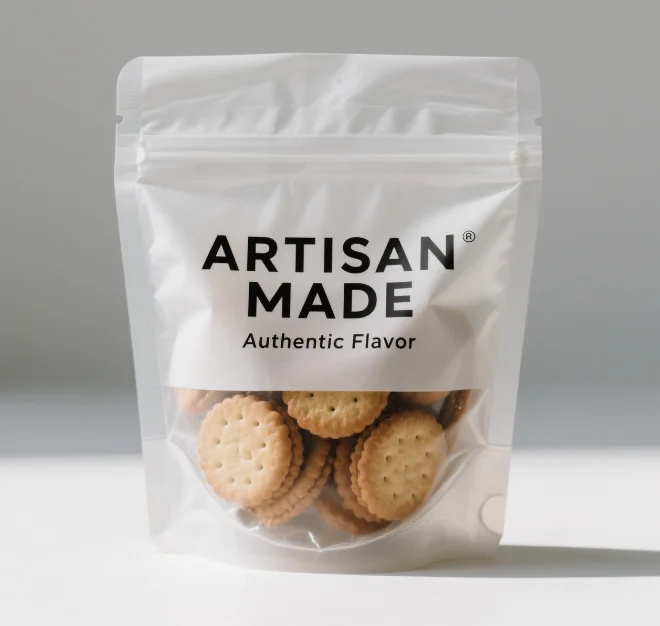
Modern food packaging is no longer just a protective shell. It has become a strategic business asset — a communication tool, a freshness guarantee, and a signal of brand values all in one. Innovations in barrier technology, smart materials, sustainable structures, and consumer-friendly formats are converging to redefine what effective food packaging looks like in practice. This article explores the most influential packaging innovations that are actively reshaping how the food industry designs, produces, and deploys its packaging solutions today.
Advanced Barrier Technologies Redefining Shelf Life
High-Performance Multilayer Film Structures
One of the most impactful innovations in modern food packaging is the development of advanced multilayer film structures. These films combine several specialized material layers — each contributing a distinct property such as oxygen resistance, moisture control, or heat sealability — into a single, thin, and flexible package. The result is a product that delivers superior preservation performance without adding unnecessary bulk or material weight.
For perishable goods, controlling oxygen transmission is critical. Modern barrier films can reduce oxygen permeability to levels far below what single-layer plastics could ever achieve. This directly translates into extended shelf life, reduced food spoilage, and lower overall product loss across the supply chain. For brands, this means fewer returns, better consumer satisfaction, and more reliable inventory management.
The strategic value of high-barrier films is particularly pronounced in categories like processed meats, dried snacks, coffee, and dairy products, where exposure to air and moisture can degrade quality within days. Modern food packaging manufacturers are investing heavily in perfecting these film recipes to offer reliable, repeatable barrier performance even under challenging logistics conditions.
Active and Passive Packaging Mechanisms
Beyond passive barriers, active food packaging technologies represent a significant leap forward. Active packaging systems do not merely block external elements — they actively interact with the food environment inside the package to extend freshness. Oxygen scavengers, moisture regulators, and antimicrobial agents can be integrated directly into packaging materials or included as small inserts within sealed pouches.
This innovation is especially important for premium food segments where consumers expect products to arrive fresh and maintain quality throughout their entire use period. By embedding functional chemistry into the packaging itself, manufacturers can reduce their dependence on chemical preservatives added directly to food formulations — a significant selling point for clean-label product lines.
Passive mechanisms, such as modified atmosphere packaging (MAP), continue to play an important role as well. By replacing internal air with a precise mixture of gases, MAP systems create an environment that slows microbial growth and oxidative degradation. Together, active and passive innovations are enabling a new generation of food packaging strategies that prioritize product integrity without compromising on packaging simplicity.
Sustainable Material Innovations Driving Strategic Shifts
Bio-Based and Compostable Films
Sustainability has moved from a marketing aspiration to a concrete engineering challenge in food packaging. The development of bio-based films derived from plant sources — such as corn starch, sugarcane, cassava, and cellulose — is providing manufacturers with credible alternatives to conventional petroleum-based plastics. These materials can deliver comparable barrier and mechanical properties while significantly reducing the carbon footprint of the packaging lifecycle.
Compostable films present a particularly compelling solution for foodservice packaging and single-use applications where post-consumer recycling is logistically difficult. When certified to recognized composting standards, these materials can break down under industrial or home composting conditions, addressing the end-of-life problem that conventional plastics have long created. Brands adopting compostable food packaging are increasingly able to align their packaging strategy with credible environmental claims that resonate with environmentally conscious buyers.
It is important to note that not all bio-based materials are automatically compostable, and not all compostable materials are bio-based. Modern food packaging strategy requires careful evaluation of these distinctions to avoid misleading sustainability claims and to select materials that genuinely deliver on their environmental promise under real-world conditions.
Recyclable Mono-Material Flexible Packaging
The drive toward circular economy models has created strong momentum behind mono-material flexible packaging. Traditional multilayer laminates, while effective for barrier performance, are notoriously difficult to recycle because their dissimilar material layers cannot be easily separated. Mono-material structures — built from a single polymer family such as all-polyethylene or all-polypropylene — address this problem by making flexible pouches and bags mechanically recyclable in standard film collection streams.
Engineering mono-material packaging to achieve the same performance as multilayer laminates is a genuine technical challenge, and the industry has invested substantially in solving it. Through advanced coextrusion technology, orientation processes, and coating innovations, it is now possible to produce mono-material food packaging that delivers sufficient oxygen and moisture barrier properties for many food categories, including snacks, frozen goods, and dry foods.
For B2B buyers and brand owners, transitioning to recyclable mono-material formats represents both a compliance investment and a market differentiation opportunity. As extended producer responsibility (EPR) regulations tighten in many markets, having a clear recyclability story for your food packaging becomes increasingly non-negotiable from a regulatory and reputational standpoint.
Structural and Format Innovations Shaping Consumer Engagement
Stand-Up Pouch and Zipper Closure Formats
Among the most visible innovations in retail food packaging, the stand-up pouch format has achieved remarkable commercial success across dozens of food categories. Its ability to stand upright on shelf, display branding prominently, and deliver a flexible, lightweight structure makes it highly attractive compared to rigid containers and traditional flat sachets. Modern stand-up pouches often incorporate resealable zipper closures, offering consumers the convenience of multi-use access without compromising product protection.
The combination of a stand-up structure with a zipper closure directly addresses a real consumer need: the ability to use a portion of the product and reliably seal the remainder without relying on external clips or decanting into secondary containers. For food categories like nuts, dried fruits, coffee, pet food, and snack mixes, this format has become a default expectation rather than a premium feature. Exploring food packaging solutions that combine stand-up stability with zipper convenience is now a priority for many brand owners seeking to enhance their retail positioning.
From a manufacturing and logistics standpoint, stand-up pouches offer compelling advantages. They require less material than rigid containers, stack and ship more efficiently, and generate less secondary packaging waste. For brands managing complex SKU portfolios, the format's flexibility in terms of print area and sizing makes it an efficient solution that can be adapted across multiple product lines with relatively consistent tooling and production processes.
Transparent Windows and Enhanced Visual Merchandising
Transparency — both literal and communicative — has become a powerful innovation driver in food packaging strategy. The integration of clear windows into flexible pouches, cartons, and rigid containers allows consumers to see the product before purchase, which directly influences buying decisions. Research consistently shows that visible product content builds consumer confidence and reduces hesitation, particularly in food categories where freshness and portion size are top-of-mind considerations.
Technically, incorporating transparent windows without compromising overall barrier performance requires precise material engineering. Modern food packaging designers use optically clear barrier films and precisely die-cut openings that maintain the structural integrity of the package while delivering a compelling visual experience. This is not merely a cosmetic feature — it is a deliberate strategic choice that communicates brand transparency and product quality simultaneously.
The visual merchandising implications extend beyond individual consumer purchases. In retail environments where shelf space is fiercely competitive, packaging that clearly displays its contents stands out and communicates confidence. Brands that invest in thoughtful window design as part of their food packaging strategy gain a tangible competitive advantage at the point of purchase, reducing the need for heavy discount-driven promotions to move product.
Smart Packaging and Digital Integration in Food Packaging Strategy
QR Codes, NFC Tags, and Connected Packaging
The digitization of food packaging is one of the most forward-looking innovations influencing modern strategy. By embedding QR codes, near-field communication (NFC) tags, or printed electronic elements into packaging surfaces, brands can transform a passive container into an interactive consumer touchpoint. Scanning a code on a pouch or bag can lead consumers to recipe suggestions, sourcing stories, nutritional details, freshness tracking data, or brand loyalty programs.
For B2B supply chain applications, smart food packaging enables a level of traceability that was previously impossible or prohibitively expensive to implement at scale. Each unit can carry a unique digital identifier that links to a data record capturing its production batch, ingredient origins, processing conditions, and distribution history. This data infrastructure supports food safety recalls, regulatory compliance documentation, and quality assurance audits in ways that analog labeling simply cannot match.
The integration of smart elements does not require a wholesale redesign of existing packaging formats. In many cases, a printed QR code or an embedded NFC tag can be added to existing flexible pouches, cartons, or labels with minimal disruption to existing production lines. This low barrier to adoption makes smart food packaging one of the most accessible and scalable digital innovations available to brands of all sizes today.
Freshness Indicators and Intelligent Sensor Integration
Beyond connectivity, intelligent food packaging innovations include time-temperature indicators (TTIs) and freshness sensors that provide real-time signals about the condition of the food inside. These technologies operate through chemical reactions or color-changing compounds that respond to temperature fluctuations or the presence of spoilage gases, giving both consumers and retailers a visible cue about product quality that goes far beyond a printed best-before date.
This type of innovation is particularly relevant for chilled and frozen food categories where cold chain integrity is critical and difficult to verify after the fact. A package that visibly signals when it has been temperature-abused during transit or storage removes ambiguity for both consumers and retailers, reducing the risk of consuming unsafe food and enabling more confident purchasing decisions across the supply chain.
As the cost of these sensor technologies continues to decline with scale, their integration into mainstream food packaging formats is becoming increasingly viable. What was once limited to pharmaceutical and premium perishable applications is rapidly becoming accessible for mid-market food brands that need to differentiate their products while genuinely delivering on freshness promises.
FAQ
How are sustainability requirements changing food packaging decisions for manufacturers?
Sustainability is reshaping food packaging procurement and design decisions at every level. Regulations around single-use plastics, extended producer responsibility, and recyclability mandates are creating new compliance requirements that manufacturers cannot ignore. Beyond regulation, consumer-facing pressure is pushing brands to adopt bio-based, compostable, or mono-material recyclable formats that support credible environmental claims. For manufacturers, this means investing in material innovation, supplier qualification, and certification processes that validate their sustainability positioning.
What makes stand-up pouches with zipper closures a preferred food packaging format?
Stand-up pouches with zipper closures have become a dominant food packaging format because they solve multiple challenges simultaneously. They offer superior shelf presence, resealability for consumer convenience, lightweight structure for logistics efficiency, and a large printable surface area for branding. Their compatibility with advanced barrier films also means that the format can deliver excellent product preservation across a wide range of food categories, making it a strategically versatile choice for brand owners.
How does smart packaging technology benefit food businesses beyond the consumer experience?
Smart food packaging delivers significant B2B value beyond consumer engagement. Digital identifiers embedded in packaging enable end-to-end supply chain traceability, supporting faster and more precise food safety recalls when needed. They also generate valuable logistics data about distribution conditions, transit times, and handling quality that can be used to optimize supply chain operations. For businesses operating in regulated food categories, this data infrastructure supports compliance documentation and quality assurance processes that reduce operational risk.
What should a food brand evaluate when choosing between different packaging material innovations?
When evaluating food packaging material innovations, brands should assess several interconnected factors: the barrier performance requirements of their specific product, the sustainability credentials and certifications of the material, the compatibility of the material with existing filling and sealing equipment, the cost implications across different order volumes, and the recyclability or compostability of the packaging in the end markets where it will be sold. A thorough evaluation across all these dimensions ensures that the chosen innovation delivers real-world performance rather than merely satisfying a trend on paper.
Table of Contents
- Advanced Barrier Technologies Redefining Shelf Life
- Sustainable Material Innovations Driving Strategic Shifts
- Structural and Format Innovations Shaping Consumer Engagement
- Smart Packaging and Digital Integration in Food Packaging Strategy
-
FAQ
- How are sustainability requirements changing food packaging decisions for manufacturers?
- What makes stand-up pouches with zipper closures a preferred food packaging format?
- How does smart packaging technology benefit food businesses beyond the consumer experience?
- What should a food brand evaluate when choosing between different packaging material innovations?