
 EN
EN



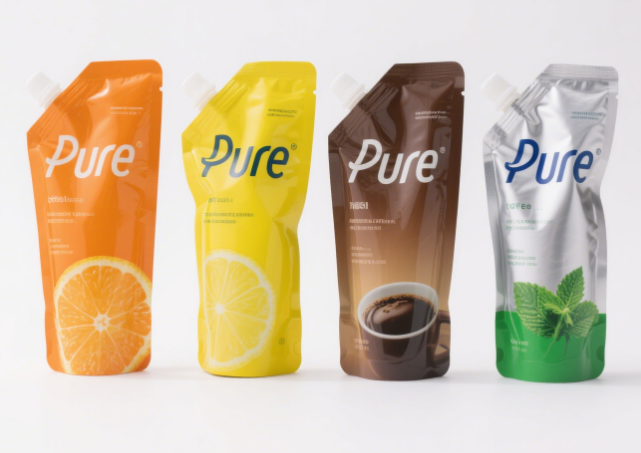
The modern retail landscape demands packaging that works as hard as the products inside it. From grocery aisles to specialty food boutiques, consumers and retailers alike have grown increasingly selective about how products are presented, preserved, and experienced. Among the many packaging formats competing for shelf space, the sealed zipper food bag has emerged as a clear favorite — not by accident, but because it solves real-world problems that older formats simply cannot address. Understanding why this format dominates modern retail requires a close look at both consumer expectations and retailer operational needs.
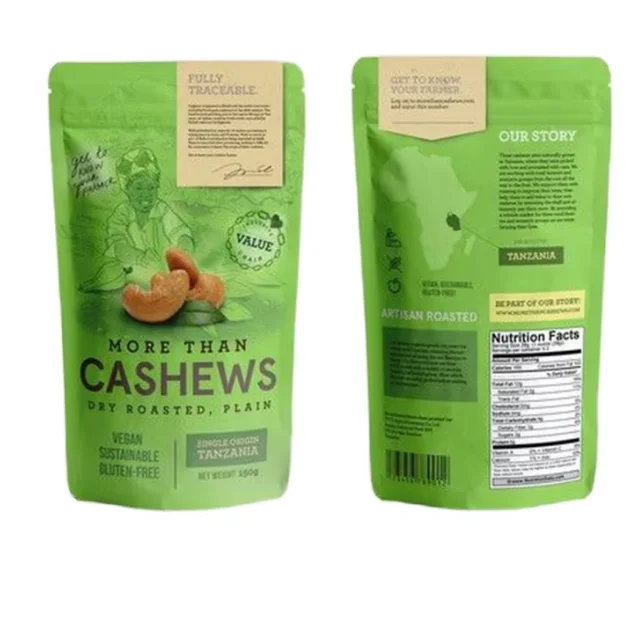
Retail environments have changed dramatically over the past decade. The rise of premium food categories, health-conscious purchasing behavior, and the expectation of resealable convenience have all converged to make the sealed zipper food bag not just a useful option but a strategic packaging decision. Brands ranging from tea and coffee to nuts, snacks, and dried goods have adopted this format because it aligns with how modern consumers actually shop, store, and consume food products. The reasons for this widespread preference span functionality, branding, shelf performance, and supply chain efficiency.
The Functional Advantages That Drive Retail Preference
Resealability as a Core Consumer Value
One of the most compelling reasons the sealed zipper food bag has become a retail staple is its resealable mechanism. Consumers no longer accept packaging that degrades the product quality after the first opening. A zipper closure allows shoppers to use a portion of the contents and confidently reseal the package, preserving freshness without needing additional containers or clips. This single functional feature dramatically increases perceived product value at the point of purchase.
For categories like coffee, tea, and nuts — products that are consumed gradually over days or weeks — resealability is not a luxury feature but a baseline expectation. Retailers know that customers will choose a resealable package over a non-resealable alternative when both products are otherwise comparable. The sealed zipper food bag delivers this expectation consistently, which is why category managers prioritize it when evaluating new suppliers and SKUs.
Beyond consumer satisfaction, resealability also reduces product waste, which is an increasingly important metric in modern retail. When packaging keeps food fresh longer, return rates decline, complaints decrease, and brand reputation strengthens. A sealed zipper food bag directly contributes to this chain of positive outcomes in a way that twist-tie or press-fold closures cannot replicate reliably.
Barrier Properties and Product Integrity
A high-quality sealed zipper food bag is not simply a flexible pouch with a zipper added as an afterthought. Modern versions are engineered with multi-layer film structures that provide robust barriers against oxygen, moisture, light, and odor transmission. These barrier properties are critical for food categories where freshness degradation is rapid and visible — such as roasted nuts, ground coffee, or premium loose-leaf tea.
The combination of a sealed bottom, reinforced side gussets, and an airtight zipper closure creates a packaging environment that actively protects product quality from the moment of packing through to the consumer's last serving. This level of protection is particularly important in retail settings where products may sit on shelves for extended periods under variable temperature and humidity conditions.
Retailers and food brands are acutely aware that product quality failures result in lost sales, negative reviews, and potential delisting. Choosing a sealed zipper food bag format with appropriate barrier specifications is therefore a risk management decision as much as a packaging choice. It demonstrates a brand's commitment to delivering consistent quality throughout the product's shelf life.
Shelf Presence and Branding Opportunities
Stand-Up Formats That Command Attention
The modern sealed zipper food bag often incorporates an eight-sided or multi-gusset structure that allows the package to stand upright on retail shelving without additional fixtures or support. This self-standing capability is enormously valuable in crowded retail environments where every centimeter of shelf space carries a cost. A bag that stands confidently displays more of its printed surface area, giving brands significantly more visual real estate compared to flat-lay or folded formats.
When a sealed zipper food bag stands upright, it functions almost like a small billboard. Brands can display front panels with high-impact graphics, nutritional claims, certifications, and product imagery while using rear and side panels for detailed ingredient information and storytelling. This 360-degree branding surface is a major reason why premium food brands in tea, coffee, and specialty snack categories invest heavily in stand-up sealed zipper food bag formats.
Category managers in retail chains are also motivated by the aesthetics of a well-organized shelf. A row of uniformly standing sealed zipper food bags creates a visually cohesive and premium section presentation that elevates the perceived quality of the entire category. This shelf-level impact is a genuine commercial driver for the format's adoption across modern retail environments.
Custom Print and Brand Differentiation
Modern printing technologies allow sealed zipper food bag formats to carry photographic-quality graphics, metallic finishes, matte coatings, and complex color gradients that would have been cost-prohibitive in earlier generations of flexible packaging. This printing capability transforms the bag from a mere container into a powerful brand communication tool. For food brands competing in premium and specialty segments, this distinction is decisive.
The ability to customize a sealed zipper food bag with unique window shapes, spot varnishes, or embossed textures adds a tactile and visual premium that resonates strongly with consumers at the point of purchase. Research consistently shows that packaging design influences buying decisions, and in a category like premium tea or artisan coffee, the packaging is often inseparable from the product's perceived identity.
Brands that treat their sealed zipper food bag as a canvas for differentiation gain a measurable advantage in retail listings. Retailers are more inclined to allocate prime shelf positions to products whose packaging reinforces a premium brand narrative, and the versatility of this format makes achieving that narrative straightforward.
Operational Efficiency for Retailers and Brands
Filling, Sealing, and Supply Chain Compatibility
The sealed zipper food bag format has been engineered to integrate smoothly into modern automated packing lines. Whether filled on vertical form-fill-seal equipment or packed by hand in smaller artisan operations, these bags accommodate a wide range of filling speeds, product types, and sealing methods. The zipper track is typically pre-installed by the bag manufacturer, meaning no additional assembly step is required on the packing floor.
For retailers managing complex supply chains, packaging standardization is a significant operational priority. When a consistent sealed zipper food bag format is used across multiple SKUs within a category, warehousing, logistics, and shelf replenishment all become simpler and less error-prone. Consistent bag dimensions simplify stacking, case packing, and display configurations, reducing labor costs and handling time throughout the distribution chain.
The robustness of a well-constructed sealed zipper food bag also reduces transit damage and product loss during shipping. Multi-layer laminated films resist puncture, tearing, and delamination under the mechanical stresses of palletized freight, which is particularly important for long-distance distribution or international retail channels. Fewer damaged units arriving at retail means lower shrinkage costs and better in-store availability.
Versatility Across Food Categories
One of the most commercially significant attributes of the sealed zipper food bag is its adaptability across a broad spectrum of food product categories. Tea leaves, whole bean coffee, ground coffee, roasted nuts, dried fruits, seeds, granola, protein powders, and pet treats all share common packaging requirements — freshness preservation, resealability, and attractive presentation — that this format meets with equal effectiveness.
This cross-category versatility means that a retailer or a packaging supplier can standardize around a single bag architecture while still serving diverse product lines. For brands that operate across multiple food categories, using a unified sealed zipper food bag format with category-specific print treatments creates a coherent brand family that consumers recognize and trust across the store.
From a sourcing perspective, this versatility also simplifies supplier relationships. Brands that need to source packaging for multiple SKUs can work with a single reliable supplier of sealed zipper food bag formats rather than managing separate vendor relationships for each product line. This consolidation reduces procurement complexity and often yields better pricing through volume commitments.
Consumer Trends Reinforcing the Format's Dominance
Health, Transparency, and Conscious Consumption
Contemporary food consumers are highly attentive to ingredient quality, sourcing transparency, and product freshness. The sealed zipper food bag format supports all three of these values in tangible ways. Transparent window panels allow shoppers to visually inspect product quality before purchase — a feature that builds immediate trust and reduces hesitation at the shelf. For premium nuts, specialty teas, and high-grade coffee, this visual confirmation is a powerful sales driver.
Resealability also aligns with the portion-control habits of health-conscious consumers who prefer not to consume an entire package in a single sitting. Knowing that a sealed zipper food bag will keep the remaining contents fresh for days encourages consumers to buy larger pack sizes, which typically offer better value per unit. This behavioral shift benefits both the consumer and the brand through improved purchase economics.
The format also supports clean-label and premium positioning strategies. A well-designed sealed zipper food bag communicates quality before the consumer even reads the label. In a market where shoppers spend only a few seconds evaluating options, that immediate quality signal — conveyed through bag construction, print quality, and structural integrity — can be the deciding factor in a purchase decision.
E-Commerce and the Demand for Durable Packaging
The rapid growth of online food retail has added a new dimension to the sealed zipper food bag's appeal. Products sold through e-commerce channels must survive shipping conditions that are far more demanding than retail shelf placement. A sealed zipper food bag with strong seams, robust zipper tracks, and multi-layer film construction is inherently better equipped to withstand the drops, compressions, and handling variability of last-mile delivery than fragile rigid containers or thin single-layer pouches.
For direct-to-consumer brands and food subscription box services, the sealed zipper food bag also delivers a premium unboxing experience. When a consumer opens a delivery and finds a thoughtfully designed, structurally solid bag that stands upright and reseals cleanly, it reinforces their decision to purchase and increases the likelihood of repeat orders. The packaging itself becomes part of the brand experience.
As more food brands operate simultaneously across retail and e-commerce channels, the ability to use a single packaging format that performs well in both environments is a significant cost and logistics advantage. The sealed zipper food bag is one of the few flexible packaging formats that genuinely achieves this dual-channel performance without compromise.
FAQ
What types of food products are most suitable for a sealed zipper food bag?
A sealed zipper food bag is well-suited for dry and semi-dry food categories including coffee, tea, nuts, seeds, dried fruits, granola, spices, and protein supplements. These products benefit most from the format's resealability and moisture-barrier properties, which help maintain freshness over extended consumption periods. The format is also used for pet food and treats with similar preservation needs.
How does the zipper closure mechanism maintain food freshness?
The zipper closure on a sealed zipper food bag creates a physical barrier that significantly reduces the exchange of air and moisture between the bag interior and the external environment after opening. When combined with the bag's multi-layer film structure, which provides barriers against oxygen and light, the zipper allows the consumer to preserve freshness across multiple use occasions. For maximum effectiveness, consumers should press out excess air before resealing the zipper.
Can a sealed zipper food bag support premium brand positioning in retail?
Yes. The sealed zipper food bag format is highly compatible with premium brand positioning. Its structural integrity, self-standing capability, large printable surface area, and ability to accommodate high-quality finishes such as matte lamination, metallic printing, and transparent windows all contribute to a premium shelf presence. Many specialty food brands use this format precisely because it communicates quality and craftsmanship effectively at the point of purchase.
What should brands consider when specifying a sealed zipper food bag for their product?
Brands should consider the product's specific barrier requirements — particularly oxygen and moisture sensitivity — when selecting film specifications for a sealed zipper food bag. Bag size, gusset configuration, zipper track gauge, and sealing method should all align with the product's weight, filling process, and distribution channel. Working with an experienced packaging supplier who can provide material testing and print proofing services is the most reliable way to arrive at an optimal specification for retail performance.
Table of Contents
- The Functional Advantages That Drive Retail Preference
- Shelf Presence and Branding Opportunities
- Operational Efficiency for Retailers and Brands
- Consumer Trends Reinforcing the Format's Dominance
-
FAQ
- What types of food products are most suitable for a sealed zipper food bag?
- How does the zipper closure mechanism maintain food freshness?
- Can a sealed zipper food bag support premium brand positioning in retail?
- What should brands consider when specifying a sealed zipper food bag for their product?