
 EN
EN



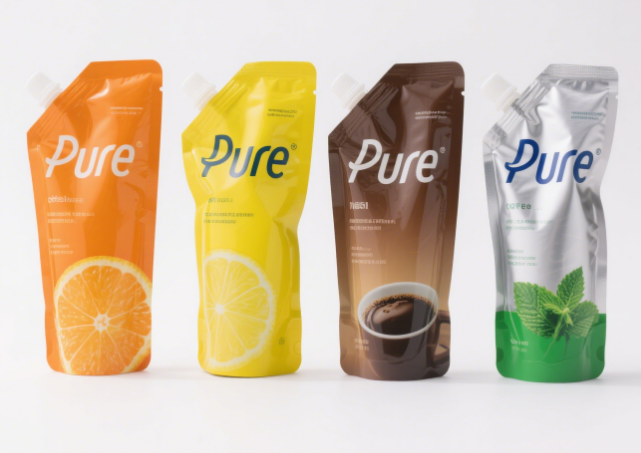
The packaging industry is undergoing a fundamental shift as brands across food and beverage sectors face mounting pressure to reduce their environmental footprint. For products like snacks, nuts, and coffee — categories that depend heavily on flexible packaging for freshness and shelf appeal — the compostable stand up pouch has emerged as one of the most practical and credible sustainable alternatives available today. These pouches combine functionality with environmental responsibility in a format that retailers, consumers, and regulatory bodies are increasingly demanding.
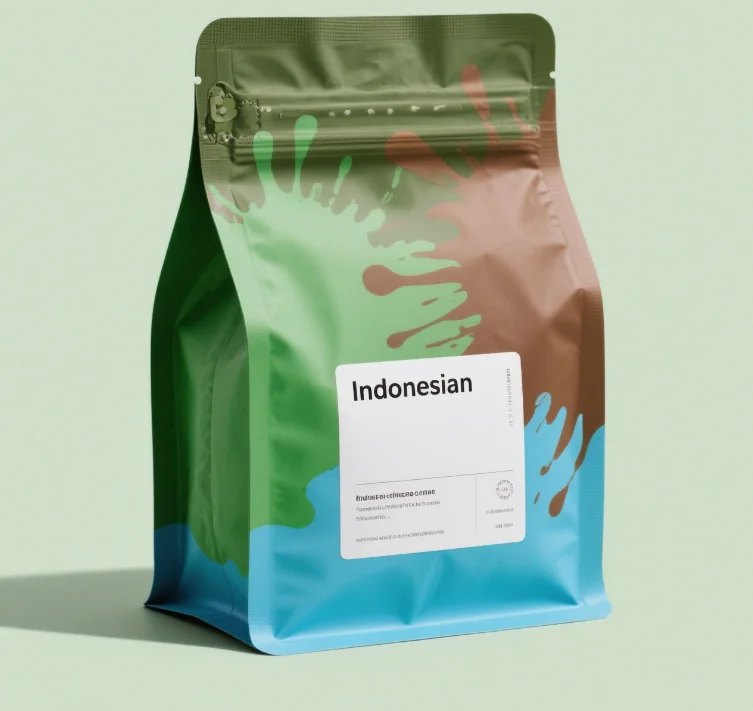
A compostable stand up pouch is not simply a conventional flexible bag with a green label attached. It is engineered from certified compostable materials that break down under industrial or home composting conditions without leaving toxic residues or microplastics behind. For brands marketing trail mix, roasted nuts, ground coffee, or premium snack blends, adopting a compostable stand up pouch signals a genuine commitment to sustainability — and increasingly, it signals a competitive advantage. Understanding how these pouches are built, why they work for specific food categories, and how to select the right configuration is essential for any brand serious about eco-friendly packaging.
What Makes a Compostable Stand Up Pouch Different from Conventional Flexible Packaging
Material Composition and Certification Standards
The defining characteristic of a compostable stand up pouch lies in its material composition. Unlike traditional stand-up pouches that use multi-layer petroleum-based laminates such as PET, BOPP, or conventional polyethylene, a compostable stand up pouch is manufactured from bio-based or biodegradable film substrates. Common materials include PLA (polylactic acid) derived from corn starch, PBAT (polybutyrate adipate terephthalate), and cellulose-based films that offer both barrier properties and end-of-life compostability.
Certification is the single most reliable indicator of genuine compostability. Look for compliance with EN 13432 (European standard), ASTM D6400 (North American standard), or OK Compost certification from TÜV Austria. A properly certified compostable stand up pouch will disintegrate within a defined timeframe under controlled composting conditions and leave no harmful substances behind. Brands sourcing these pouches should always verify that the certification applies to the entire laminate structure — not merely the outer layer — because barrier coatings and adhesives must also meet composting criteria.
The difference in end-of-life impact is significant. A conventional flexible pouch can persist in landfills for hundreds of years, while a certified compostable stand up pouch designed to industrial composting standards will break down within 90 to 180 days. This gives brands not only an honest environmental claim to communicate to consumers, but also a defensible compliance position in markets where plastic packaging legislation is tightening.
Structural Design and Functional Performance
A compostable stand up pouch maintains the same structural functionality that has made stand-up pouches a dominant format in snack and specialty food categories. The gusseted bottom allows the pouch to stand upright on shelf, maximizing display impact and consumer convenience. The zipper reseal feature — now widely available in compostable-compatible formats — extends product usability and supports premium positioning for coffee, mixed nuts, and artisanal snack brands.
Barrier performance is a critical performance dimension for food-grade compostable packaging. Coffee, in particular, requires strong oxygen and moisture barrier properties to preserve aroma and prevent staling. Modern compostable stand up pouch constructions have made significant advances in barrier capability, using metallized PLA layers, coated cellulose films, or EVOH-equivalent sustainable barriers to approach the protective performance of conventional laminates. While some performance gaps remain — particularly in ultra-long shelf life applications — the barrier technology for snacks, nuts, and coffee has become commercially viable and market-ready.
The square bottom variant of the compostable stand up pouch deserves special mention. This design offers a broader base for stability, a more premium unboxing feel, and greater usability when the pouch is placed on a countertop or pantry shelf. For coffee and premium nut brands targeting specialty retail or e-commerce channels, the square bottom compostable stand up pouch combines environmental credibility with a sophisticated visual identity.
Why Snack, Nut, and Coffee Brands Are Adopting Compostable Stand Up Pouches
Consumer Demand and Brand Differentiation
Consumer awareness around packaging waste has grown dramatically over the past five years, and it continues to accelerate. Studies across major retail markets consistently show that a meaningful percentage of consumers — particularly in premium, health-conscious, and millennial demographics — actively prefer products packaged in sustainable materials and are willing to pay a price premium for them. For snack, nut, and coffee brands that already command higher price points through quality positioning, the compostable stand up pouch offers a logical extension of their brand story.
Differentiation at the shelf level is increasingly difficult in crowded snack and coffee categories. A compostable stand up pouch with kraft paper appearance, clean-label certifications printed on the front panel, and natural-toned design cues communicates authenticity and environmental responsibility instantly. This is not merely cosmetic — it is a genuine product attribute backed by verifiable third-party standards, which makes it far more durable as a brand claim than vague sustainability language.
Brands that have made the transition to compostable stand up pouches often report that the packaging itself becomes a conversation starter, both in retail environments and on social media. For coffee roasters, nut butter producers, and artisan snack makers, this organic marketing value adds measurable return on the packaging investment and deepens consumer loyalty over time.
Regulatory Drivers and Market Access
Beyond consumer preference, regulatory pressure is creating urgent business reasons to transition to compostable packaging formats. The European Union's Single-Use Plastics Directive and Extended Producer Responsibility frameworks are reshaping what brands can legally use in multiple major markets. Several countries have already enacted or are planning bans on certain conventional flexible plastic packaging formats, particularly for food contact applications in retail environments.
A compostable stand up pouch that holds valid certifications under recognized international standards provides brands with a credible compliance pathway in these evolving regulatory landscapes. Rather than waiting for mandates to force a rushed and costly transition, forward-thinking brands are using certified compostable packaging now to secure retail listings, meet import requirements in sustainability-conscious markets, and demonstrate proactive environmental governance to institutional buyers and investors.
Private label and contract packing agreements increasingly specify sustainable packaging requirements as baseline conditions for partnership. For snack co-packers and coffee contract roasters, having a certified compostable stand up pouch option in their packaging portfolio is becoming a commercial necessity rather than an optional upgrade. This trend is expected to intensify as supply chain sustainability reporting becomes standard practice in major retail channels globally.
Key Customization Options for Snack, Nut, and Coffee Applications
Printing, Branding, and Visual Design
One of the most persistent misconceptions about sustainable packaging is that environmental credentials require a compromise in visual quality. In reality, a compostable stand up pouch can be produced with high-resolution flexographic or rotogravure printing that delivers vibrant, detailed branding across the full surface area of the pouch. Kraft paper-look substrates are particularly popular for nut and coffee brands seeking an organic, artisan aesthetic, but full-color printed options on matte or glossy compostable films are equally achievable.
Custom sizing is another important dimension of flexibility. Compostable stand up pouches are available across a wide range of fill capacities, from small 50g portion packs for single-serve snack applications to 1kg and larger formats for bulk coffee or mixed nut retail bags. The zipper placement, notch design, and hang hole configuration can all be adapted to specific retail merchandising requirements. Custom square bottom configurations also allow brands to maximize both shelf footprint and storage efficiency.
Transparency windows — a common feature in nut and snack packaging that allows consumers to see the product — are now available in compostable-compatible film formats. These clear window panels maintain the composting certification of the overall pouch when sourced from appropriate compostable film suppliers, giving brands the best of both worlds: product visibility and authentic environmental performance.
Barrier Configuration for Different Food Products
The barrier requirements for snacks, nuts, and coffee differ in meaningful ways, and the right compostable stand up pouch configuration should be matched to the specific product. Roasted nuts are highly susceptible to oxidation and moisture uptake, which can cause rancidity and texture degradation. These products benefit from compostable pouches with enhanced oxygen barrier layers, and in some applications, nitrogen flushing compatibility should be confirmed with the pouch manufacturer before production.
Ground and whole bean coffee requires exceptional aroma retention, which means the compostable stand up pouch used for coffee must incorporate a one-way degassing valve alongside robust oxygen and light barriers. Compostable degassing valves are now commercially available and represent an important innovation for the specialty coffee segment transitioning to sustainable packaging. Without this valve, freshly roasted coffee would either inflate the pouch through CO2 off-gassing or oxidize prematurely if the valve were simply omitted.
For dry snack mixes, granola, and trail mix, the barrier requirements are somewhat less demanding, making these product categories an excellent starting point for brands exploring compostable packaging for the first time. The compostable stand up pouch in these applications can often achieve shelf life parity with conventional packaging while providing a fully certified end-of-life pathway, making the business case straightforward and the transition risk manageable.
Practical Considerations When Sourcing a Compostable Stand Up Pouch
Supplier Qualification and Documentation
Sourcing a compostable stand up pouch for food applications requires more rigorous supplier qualification than standard flexible packaging procurement. The most important step is verifying that the supplier holds valid, current third-party composting certifications for the specific film constructions being offered — not historical certifications, not certifications pending renewal, and not certifications that apply to a different pouch structure than what you are ordering. Request the full documentation, including the certificate number, issuing body, and the exact material specification covered.
Food-grade compliance is a parallel requirement that must be confirmed independently of composting certification. The inner layers of the compostable stand up pouch that come into direct contact with your snack, nut, or coffee product must meet the food contact material regulations applicable in your target market — whether that is EU Regulation 10/2011, FDA regulations for the US market, or equivalent frameworks in other jurisdictions. A supplier that specializes in compostable food packaging should be able to provide the relevant food contact compliance documentation as a standard part of their technical data package.
Minimum order quantities, lead times, and sampling protocols are equally important operational considerations. Because compostable films often involve more specialized supply chains than conventional laminates, lead times may be longer and price points higher at lower volumes. Establishing a clear understanding of these parameters early in the supplier qualification process prevents costly surprises later and allows for realistic production planning, particularly for seasonal snack or limited-edition coffee SKUs.
Consumer Communication and End-of-Life Guidance
A compostable stand up pouch only delivers its environmental benefit if it actually enters a composting waste stream rather than a landfill or general recycling bin. This means that consumer education is an essential component of the packaging strategy, not an afterthought. Brands should use the pouch surface to provide clear, concise end-of-life instructions — including whether the pouch is suitable for home composting, industrial composting only, or both — along with the relevant certification logos to substantiate the claim.
Composting infrastructure varies significantly by geography. In markets where industrial composting facilities are widely accessible and accept certified compostable packaging, the end-of-life story is straightforward. In markets where this infrastructure is limited, brands may need to be more nuanced in their environmental claims and direct consumers toward available alternatives such as community composting programs or take-back schemes. Transparency in this communication builds greater consumer trust than overstated claims that break down under scrutiny.
Some brands enhance their compostable packaging story by partnering with composting organizations or third-party verification programs that allow consumers to confirm the product's credentials through QR codes or digital platforms. This level of transparency is particularly effective for premium coffee and specialty snack brands whose customers are highly engaged and environmentally motivated. The compostable stand up pouch in this context becomes not just a packaging format but a tangible expression of the brand's values.
FAQ
Is a compostable stand up pouch suitable for all types of coffee packaging?
A compostable stand up pouch can be suitable for most coffee packaging applications, including ground coffee and whole beans, provided the pouch incorporates adequate oxygen and moisture barrier layers along with a compostable one-way degassing valve. The specific barrier performance should be verified against your product's required shelf life before committing to production. For specialty or single-origin coffees with shorter expected shelf windows, a certified compostable stand up pouch with appropriate barrier configuration is a commercially practical and environmentally responsible choice.
How do I verify that a compostable stand up pouch is genuinely compostable and not just biodegradable?
The key distinction lies in third-party certification. A genuinely compostable stand up pouch will carry a recognized certification such as EN 13432, ASTM D6400, or TÜV Austria OK Compost, which specifies that the material will fully disintegrate within a defined timeframe and leave no harmful residues. The term biodegradable, by contrast, has no standardized legal definition in most markets and does not guarantee compostability within a practical timeframe. Always request the specific certification documentation from your supplier and confirm it covers the complete film structure, including adhesives and coatings.
Can a compostable stand up pouch be customized with brand printing and window features?
Yes, a compostable stand up pouch supports a full range of customization options including high-resolution brand printing, matte or glossy finishes, kraft paper aesthetics, custom sizing, zipper closure, and transparent product windows. The window panels and printing inks used must themselves be compostable-compatible to preserve the overall certification status of the finished pouch. Reputable suppliers specializing in compostable food packaging will be able to guide you through these specifications and ensure that customization choices do not compromise the pouch's composting certification.
What is the typical shelf life achievable with a compostable stand up pouch for nuts and snacks?
Shelf life achievable with a compostable stand up pouch depends on the specific barrier configuration selected and the moisture and oxygen sensitivity of the product. For roasted nuts and dry snack mixes, a properly specified compostable stand up pouch with enhanced oxygen barrier can typically support shelf life targets of six to twelve months, which is adequate for most retail and e-commerce snack applications. Products with more demanding shelf life requirements may need additional measures such as nitrogen flushing or desiccant sachets, which should be discussed with both your packaging supplier and food technologist during product development.
Table of Contents
- What Makes a Compostable Stand Up Pouch Different from Conventional Flexible Packaging
- Why Snack, Nut, and Coffee Brands Are Adopting Compostable Stand Up Pouches
- Key Customization Options for Snack, Nut, and Coffee Applications
- Practical Considerations When Sourcing a Compostable Stand Up Pouch
-
FAQ
- Is a compostable stand up pouch suitable for all types of coffee packaging?
- How do I verify that a compostable stand up pouch is genuinely compostable and not just biodegradable?
- Can a compostable stand up pouch be customized with brand printing and window features?
- What is the typical shelf life achievable with a compostable stand up pouch for nuts and snacks?